⭐⭐⭐⭐⭐ Rated 5 Stars by over 300 Patients — Read Our Reviews on Google!
Brain fog. Fatigue. Weight gain you can't explain. Bladder urgency that wasn't there a year ago. At Pelvicore, hormone therapy is prescribed by Kelley Maple, APRN, and paired with pelvic floor physical therapy from Susan Winograd, MSPT — because the symptoms that bother women most in perimenopause and menopause are rarely hormonal alone. We are the only practice in Boca Raton that treats both in the same clinic.
Some menopause symptoms respond to hormones alone. Others don't — and these are usually the ones women are most reluctant to bring up.
Needing the bathroom more often, urgency that arrives without warning, leaking when you cough or exercise. Falling estrogen thins the tissue of the urethra and bladder, but the pelvic floor muscles that support them also weaken and lose coordination. Estrogen helps the tissue. It does not retrain the muscle.
If you are getting urinary tract infections more often than you used to, or getting UTI symptoms with no infection on the culture, this is a recognised feature of perimenopause and menopause. Local estrogen restores the tissue environment. Pelvic floor therapy addresses incomplete emptying and the muscle guarding that keeps the cycle going.
Dryness is the symptom most often treated with a product and left there. When intercourse has been painful for a while, the pelvic floor learns to brace against it, and that guarding persists after the tissue itself has improved. Treating only one half is why so many women tell us the cream helped and sex still hurts.
This is the gap we were built to close. Kelley prescribes and monitors the hormonal side. Susan treats the muscles, tissue mobility and nervous system response. You see both, and they talk to each other about your case.

Kelley Maple, APRN — our board-certified family nurse practitioner — conducts a comprehensive diagnostic evaluation, including advanced hormone testing to identify the specific imbalances driving your symptoms. Getting to the root cause sets the foundation for your entire healing journey.

Susan Winograd, MSPT conducts a pelvic floor physical therapy evaluation to assess how hormonal changes are affecting your pelvic health — including bladder control, pelvic floor muscle function, and sexual health. This integration is what makes Pelvicore's program uniquely comprehensive.

Based on your diagnostics and evaluation findings, Kelley and Susan collaborate to build a personalized plan of care that may include hormone therapy, pelvic floor physical therapy, nutritional guidance, lifestyle medicine, and supplement recommendations tailored to your specific needs.

Your program includes educational resources covering nutrition, lifestyle medicine, and evidence-based strategies for optimal hormone health. You'll have access to our supplement recommendation guide and ongoing support from our clinical team throughout your healing journey.
We believe that achieving hormonal balance is more than just treatment—it's about addressing the whole person. That’s why our hormone replacement therapy in conjunction with pelvic health is guided by our 5 Pillars of Optimal Hormone Health.

Optimize hormone function with personalized nutritional strategies tailored to support your body's needs.
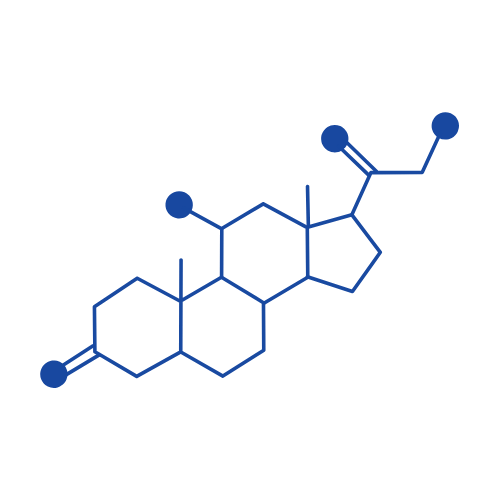
Restore balance with evidence-based therapies customized to your unique health profile.

Build strength, boost energy, and support hormone regulation with a movement plan designed for your body and goals.

Improve recovery and energy by identifying and addressing sleep challenges critical to hormonal health.

Reduce stress and enhance overall wellbeing with practices that support mental clarity and emotional balance


Hot Flashes, Night Sweats, Brain Fog, Insomnia, Thyroid Disorders, Cortisol Imbalance, Mood Swings, PMS, Dysmenorrhea, Weight Gain, Low Libido, Osteoporosis, Vaginal Atrophy, Vaginal Dryness, Painful Intercourse

Chronic Exhaustion, Low Energy, Brain Fog

Chronic Inflammation, Muscle and Joint Pain, Pelvic Pain

The symptoms women find hardest to raise, and the ones most often treated as separate problems, such as urinary urgency and frequency, recurrent UTIs, and UTI symptoms with a negative culture, leaking with coughing, laughing or exercise, vaginal dryness and irritation, painful intercourse, and reduced sensation.
Chronic Inflammation, Muscle and Joint Pain, Pelvic Pain
support muscolo skeletal, libido health, vaginal atrophy, pain with intimacy, weight gain, street, metabloism, loss of motivation, anxiety and depression, hot flashes, expert care in boca raton
Most women going through menopause see someone who manages their hormones, or someone who treats their pelvic floor. Rarely both, and almost never in the same place.
That split matters, because the two sides act on each other. Local estrogen restores tissue, but it cannot release a pelvic floor that has spent two years bracing against pain. Pelvic floor therapy retrains muscle, but it works slowly against tissue thinned by low estrogen. Treated separately, each does half the job.

MEET YOUR HORMONE THERAPIST
Kelley runs the diagnostic side — advanced hormone testing to find what is actually driving your symptoms, then prescribing and monitoring your treatment as it is adjusted. She is a board-certified Family Nurse Practitioner and the founder of KM Health Collective, an educational platform dedicated to helping women thrive through midlife.

MEET YOUR PELVIC FLOOR THERAPIST
Susan treats what hormones alone cannot reach — bladder control, pelvic floor function, tissue mobility, and the muscle guarding that keeps intercourse painful long after the tissue itself has improved. She founded Pelvicore and has spent her career in pelvic health.
Common signs include persistent fatigue, brain fog, sleep disruption, hot flashes, night sweats, mood changes, low libido, vaginal dryness, unexplained weight gain, and bladder leaking. These symptoms often overlap and can intensify during perimenopause and menopause. If you've been told your labs are 'normal,' but you still don't feel like yourself, a comprehensive hormonal evaluation may reveal imbalances that standard testing misses.
Hormone therapy has an extensive evidence base and is considered safe and effective for most women when properly evaluated, prescribed, and monitored. Modern bioidentical hormone therapy, when managed by a qualified provider like Kelley, is individualized to your specific hormonal profile and monitored over time. We're happy to discuss your specific health history and concerns on your discovery call.
The terms are often used interchangeably. Hormone replacement therapy (HRT) typically refers to replacing hormones that decline during menopause. Hormone therapy (HT) is a broader term that includes both replacement and optimization approaches. At Pelvicore, we use both terms to describe our personalized approach to restoring hormonal balance
Yes — and our whole-body approach means we explore all options. For women who prefer or require non-hormonal approaches, our program incorporates nutritional strategies, lifestyle medicine, pelvic floor physical therapy, and targeted supplementation that can meaningfully reduce symptoms without hormone therapy.
No — the program is designed for women at any stage of hormonal transition, including perimenopause, post-menopause, and women experiencing hormonal imbalance at any age. If your symptoms are affecting your quality of life, you don't need to wait until menopause to seek support.
Yes — and it is one of the most under-recognised changes of menopause. Lower estrogen alters the tissue and bacterial balance of the urinary tract, which makes infections more likely and more likely to recur. Some women also get the full set of UTI symptoms with a negative culture. Local estrogen usually helps. Where incomplete emptying or pelvic floor guarding is also involved, hormones alone tend not to resolve it.
Urgency and frequency that appear in your forties or fifties are usually a combination of thinning urethral tissue and a pelvic floor that has lost some of its coordination. It is common, it is treatable, and it is not something you have to manage with bathroom mapping for the next thirty years. We assess both the hormonal and the muscular side before recommending anything.
Over-the-counter moisturisers and lubricants help with comfort but do not change the tissue. Local vaginal estrogen does, and for most women it is low-risk because very little is absorbed systemically. If intercourse has been painful for a while, treating the tissue often is not enough on its own, because the pelvic floor has usually started bracing in anticipation. That part responds to physical therapy.
Most prescriptions are applied with a clean finger or applicator, nightly at first and then two or three times a week. Technique matters more than people expect — where you apply it changes how well it works, particularly if your symptoms are urinary rather than vaginal. Kelley walks every patient through this, and Susan demonstrates it in her YouTube video:

Hormonal imbalance has a source. Pelvicore's Hormone Therapy Wellness Program in Boca Raton finds it — and treats it. Call us at 561-295-1631 or book your free discovery call below.
350 Camino Gardens Blvd, Unit 102, Boca Raton, FL 33432