
Struggling with frequent urges to pee? Overactive bladder is common but treatable. Learn why it happens, how habits like “just in case” peeing make it
⭐⭐⭐⭐⭐ Rated 5 Stars by 300 Patients — Read Our Reviews on Google!

Susan Winograd, MSPT, is a licensed physical therapist, pelvic floor specialist, and founder of Pelvicore Rehab & Wellness in Boca Raton, Florida. She earned her Master's degree in Physical Therapy from the College of Staten Island in 1998 and has spent nearly 30 years developing deep clinical expertise in pelvic floor dysfunction, women's and men's pelvic health, pre and postnatal care, chronic pelvic pain, and scar tissue release therapy. Susan takes a whole-body approach to healing — identifying and treating the root cause of her patients' symptoms rather than managing them in isolation. She is a member of the American Physical Therapy Association and has been featured on multiple health and wellness podcasts as a recognized pelvic floor specialist in South Florida.
Pain with sex is not something you have to accept.
Vaginismus, painful intercourse, and loss of sensation are treatable conditions that Susan specializes in. This is a judgment-free space where you can finally talk openly and get the compassionate, expert care you deserve.
TIMESTAMPS
1:04 Vaginal dilator training should not be painful
1:43 Dilator training should be non-threatening
2:14 You should feel in control of your dilator training!
2:48 Find a trusted pelvic floor physical therapist you trust
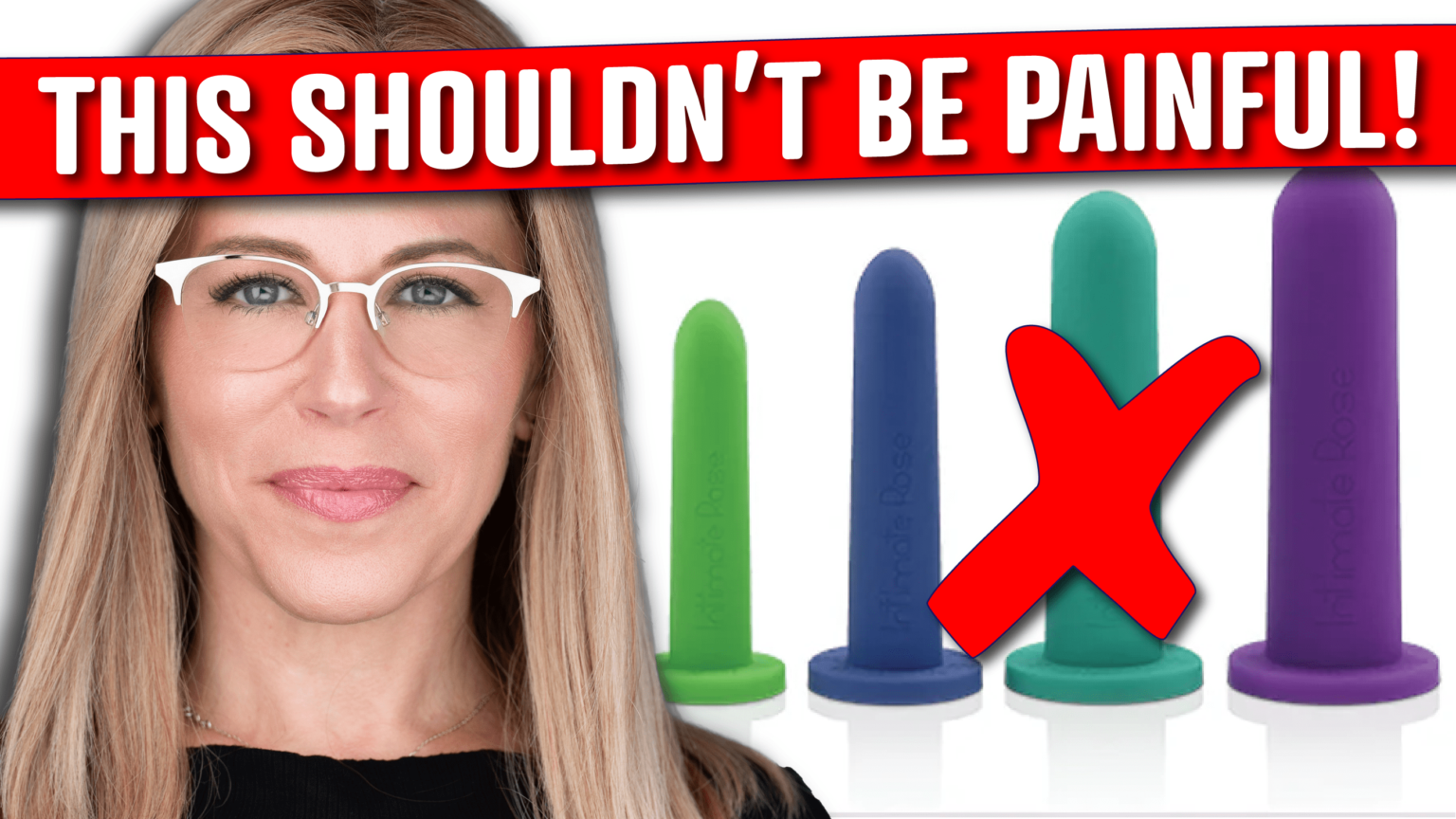
Are you using vaginal dilators to overcome pain with intimacy or pelvic pain, but you’re still experiencing discomfort during training? If so, stop right now! Pain during dilator training could be working against your progress – and Susan Winograd PT, Founder and Owner of Pelvicore Rehab & Wellness, is here to explain why, and how to use dilators the right way.
The Most Important Thing to Remember The key to successful dilator training is ensuring that it’s:
1. Non-Painful: Any discomfort beyond mild pressure is your body’s way of saying it’s not ready. Pain creates tension, which is counterproductive to the stretching and relaxation we’re aiming for.
2. Non-Threatening: You should feel safe and at ease throughout the process. Use deep breathing and a calm environment to signal to your brain that everything is okay.
3. In Your Control: You should always feel in charge of how much or how little you’re doing. This empowerment allows your brain and pelvic floor muscles to gently adapt, without the need to ‘guard’ or protect.
When used correctly, dilators help your pelvic floor muscles stretch and lengthen gently. Over time, your brain learns it doesn’t have to keep these muscles tight as a defense mechanism. This new pattern of relaxation and control is what leads to pain-free intimacy.
If you’re feeling pain during dilator training, pause and reassess your approach. Remember, slow and steady wins this race. If you’d like a step-by-step guide or personalized tips, connect with a pelvic floor therapist like me.
You deserve a fulfilling intimate life.
Sexual pain and dysfunction are among the most undertreated conditions in women's and men's health — often because people feel too embarrassed to ask for help. Susan has created a safe, private space to address these concerns with expertise and compassion. Your first call is completely confidential.
Or book online — free, no obligation
Click & Share

This is a safe space.
Confidential 15-minute call with Susan — judgment free, no obligation.
More Wellness & Rehab Insights
Struggling with frequent urges to pee? Overactive bladder is common but treatable. Learn why it happens, how habits like “just in case” peeing make it
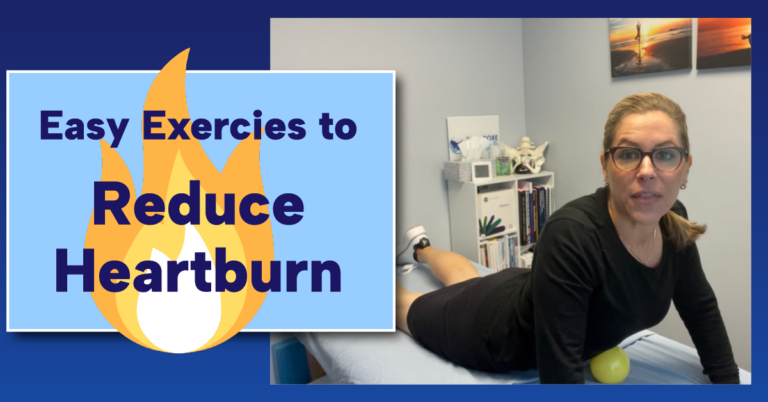
🔥 Acid Reflux (GERD), commonly called heartburn, that irritating burning pain in your chest or throat can be very uncomfortable throughout the day and can