Wondering exactly where to apply your prescribed estrogen cream? Pelvic floor physical therapist Susan Winograd, MSPT, explains why internal and external application matters for relieving vaginal dryness, urinary urgency, and painful intercourse. Learn the simple step-by-step technique to get the most benefit from your treatment.
Are frequent bathroom trips, leaking, or sudden urgency disrupting your daily life? You might be blaming your bladder — but the real culprit could be perimenopause. In this post, Susan Winograd of Pelvicore Pelvic Rehab breaks down the connection between hormonal changes and bladder health, and shares 4 simple tips every woman in midlife needs to know.
Vaginal dryness affects millions of women during perimenopause and menopause — yet it’s still one of the most under-discussed symptoms out there. The good news? You don’t have to just live with it.
Brain fog… constant headaches… loss of interest and libido… these symptoms can appear unrelated; however, if you are a woman in your 40s, and even in your last 30s, these symptoms may actually be related to the onset of menopause, or ‘perimenopause’.
Brain fog is one of the most disorienting symptoms of perimenopause — and one of the least talked about. If your thinking feels slower, your words harder to find, or your memory less reliable than it used to be, this video is for you. Susan Winograd MSPT breaks down what’s actually causing perimenopause brain fog, how to tell it apart from more serious cognitive changes, and what you can do about it right now.
Burning Mouth Syndrome causes a painful, burning sensation with no visible signs. In this video, Susan breaks down possible causes, symptoms, and effective treatments for burning mouth syndrome.
If you’re a woman in your 30s or 40s and you feel like your body is changing in confusing ways—mood swings, poor sleep, unpredictable periods—you’re not alone. You’re also not imagining things. These may be signs of perimenopause, a transitional phase that often catches people off guard.
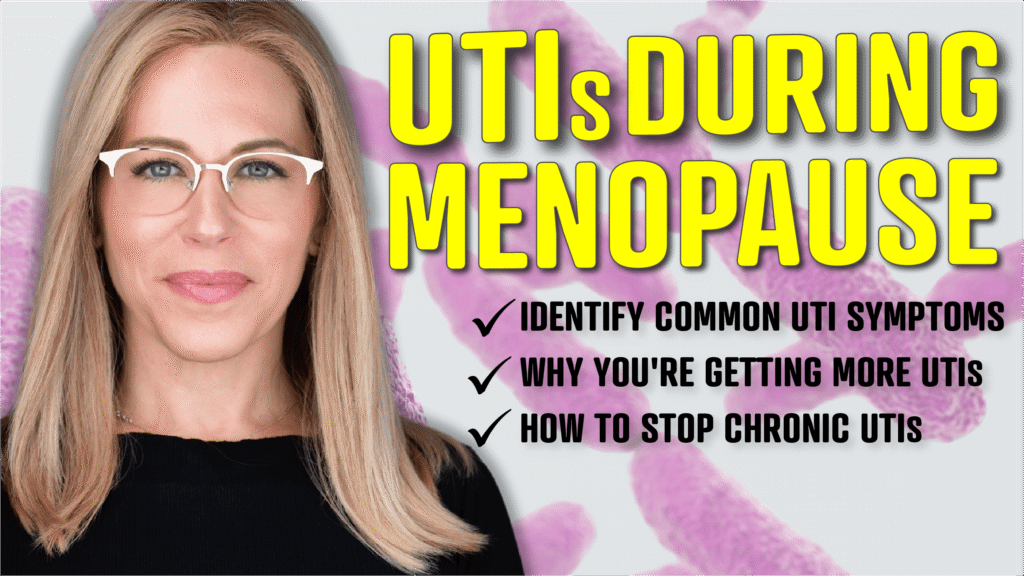
Urinary tract infections (UTIs) during menopause are a common and often frustrating experience for many women. If you’re noticing more frequent urges to urinate, increased urgency, leaking, or recurrent UTIs in midlife, you’re not alone, and importantly, there are effective solutions available.
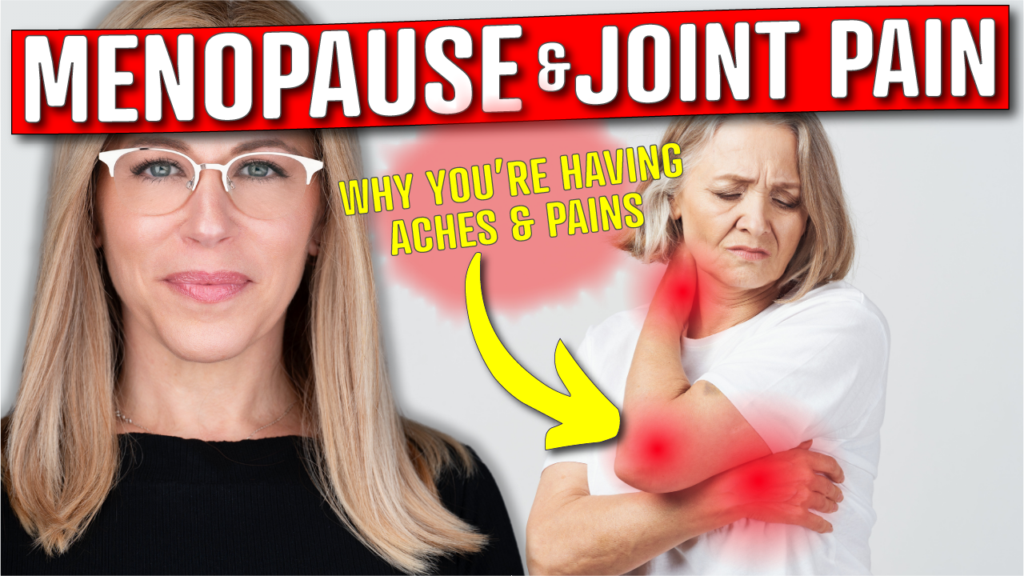
Are you experiencing unexplained menopause and perimenopause joint pain, muscle aches, or inflammation? You’re not alone! Learn the science behind how these hormonal changes affect your body during this season of your life.
Struggling with vaginal dryness during menopause or perimenopause? You’re not alone! In this video, Susan Winograd, shares 5 practical tips to help you feel more comfortable and confident.
Manage Consent
To provide the best experiences, we use technologies like cookies to store and/or access device information. Consenting to these technologies will allow us to process data such as browsing behavior or unique IDs on this site. Not consenting or withdrawing consent, may adversely affect certain features and functions.
Functional
Always active
The technical storage or access is strictly necessary for the legitimate purpose of enabling the use of a specific service explicitly requested by the subscriber or user, or for the sole purpose of carrying out the transmission of a communication over an electronic communications network.
Preferences
The technical storage or access is necessary for the legitimate purpose of storing preferences that are not requested by the subscriber or user.
Statistics
The technical storage or access that is used exclusively for statistical purposes.The technical storage or access that is used exclusively for anonymous statistical purposes. Without a subpoena, voluntary compliance on the part of your Internet Service Provider, or additional records from a third party, information stored or retrieved for this purpose alone cannot usually be used to identify you.
Marketing
The technical storage or access is required to create user profiles to send advertising, or to track the user on a website or across several websites for similar marketing purposes.