

Most men have been told that the secret to lasting longer in bed is to edge – but what if edging is hurting your pelvic
⭐⭐⭐⭐⭐ Rated 5 Stars by 300 Patients — Read Our Reviews on Google!

Susan Winograd, MSPT, is a licensed physical therapist, pelvic floor specialist, and founder of Pelvicore Rehab & Wellness in Boca Raton, Florida. She earned her Master's degree in Physical Therapy from the College of Staten Island in 1998 and has spent nearly 30 years developing deep clinical expertise in pelvic floor dysfunction, women's and men's pelvic health, pre and postnatal care, chronic pelvic pain, and scar tissue release therapy. Susan takes a whole-body approach to healing — identifying and treating the root cause of her patients' symptoms rather than managing them in isolation. She is a member of the American Physical Therapy Association and has been featured on multiple health and wellness podcasts as a recognized pelvic floor specialist in South Florida.
Do these symptoms sound familiar?
Brain fog, fatigue, and mood changes during perimenopause and menopause are real — and treatable. Susan has helped hundreds of women in Boca Raton feel like themselves again.
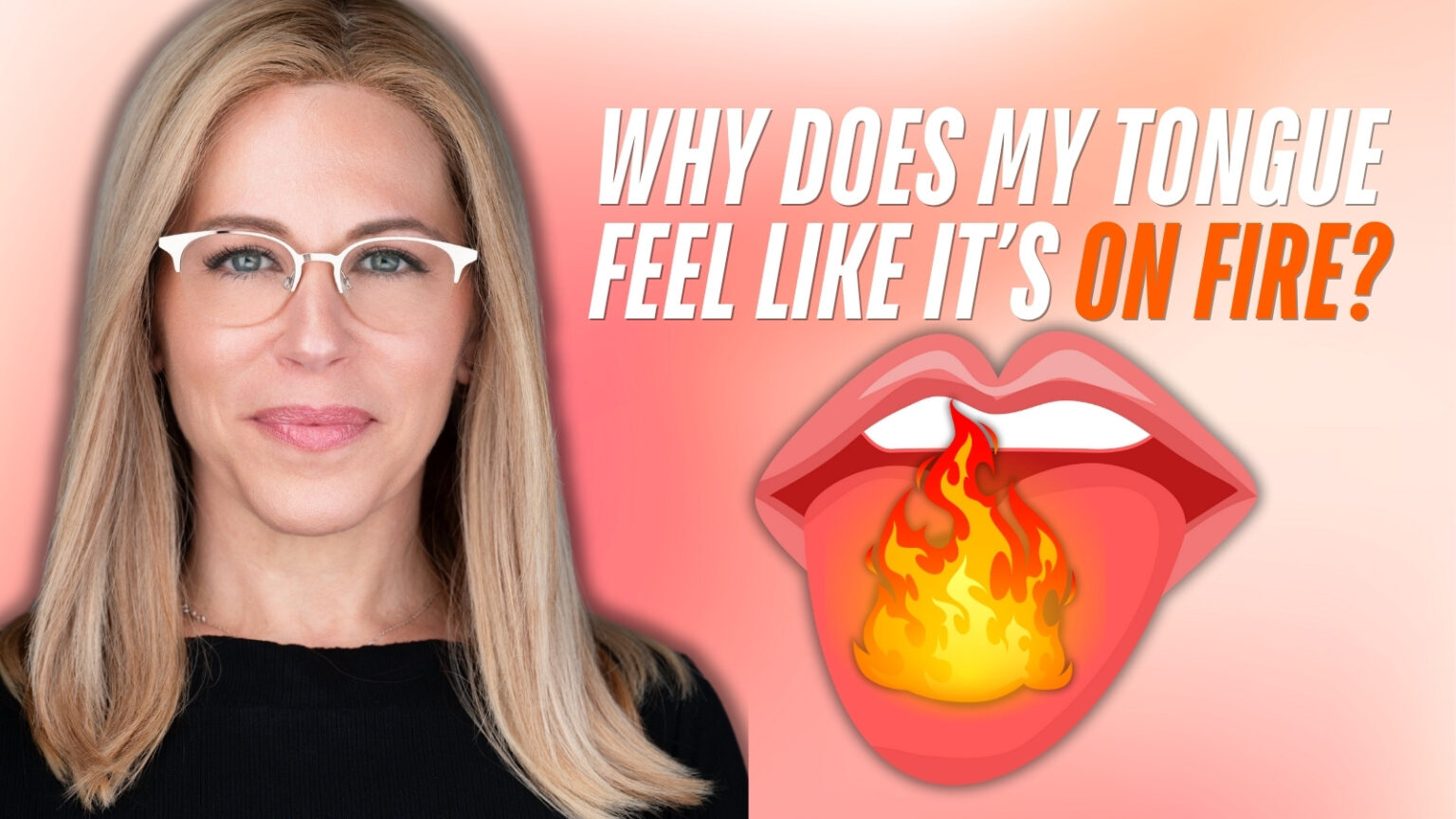
A burning tongue or mouth with no visible cause and no explanation is one of the more disorienting symptoms women experience during perimenopause — and one of the most frequently dismissed. If you’ve been told nothing is wrong despite a sensation that your mouth is on fire, this video is for you. Susan Winograd, MSPT, breaks down what burning mouth syndrome actually is, why it’s so strongly linked to hormonal changes, and what effective treatment looks like.
Burning Mouth Syndrome is exactly what it sounds like: a burning sensation in the mouth—most commonly on the tongue, lips, gums, or roof of the mouth. This sensation can come and go or persist daily, and often occurs without any visible signs or obvious cause.
While anyone can develop BMS, it’s most common in women over the age of 50, particularly those who are postmenopausal. That’s because hormonal changes are thought to be one potential trigger.
The exact cause of BMS can be hard to pin down. In fact, it’s often called a “diagnosis of exclusion,” meaning other conditions must be ruled out first. Potential causes include:
There’s no single test for BMS. Your doctor or dentist will likely ask about your medical history and symptoms and may recommend:
It’s important to be patient—the diagnostic process can take time.
Although there’s no one-size-fits-all cure, many people find relief with a combination of approaches:
For many women, burning mouth syndrome doesn’t arrive in isolation. It shows up alongside brain fog, sleep disruption, bladder urgency, joint pain, and mood changes — all symptoms that point to the hormonal shifts of perimenopause and menopause. At Pelvicore, we treat burning mouth syndrome as part of a whole-body perimenopause picture rather than as a standalone condition.
If you’re experiencing BMS alongside other symptoms you can’t quite explain, we offer hormone therapy for women navigating this transition — addressing the hormonal root cause rather than just managing individual symptoms.
Burning Mouth Syndrome can feel overwhelming, especially when it seems like there’s no clear cause. But you’re not alone—and there are effective ways to manage the symptoms and improve your quality of life. The first step? Start the conversation with a trusted healthcare provider.
At Pelvicore Rehab & Wellness, we frequently see burning mouth syndrome as part of a broader perimenopause symptom picture. Our Perimenopause & Menopause Treatment program combines comprehensive hormone testing with Kelley Maple, APRN and pelvic floor physical therapy with Susan Winograd, MSPT — addressing the full hormonal picture rather than treating symptoms in isolation.
00:00 – Introduction
00:40 – Common Symptoms of Burning Mouth Syndrome
01:25 – Who Is Most Affected?
02:00 – What Causes Burning Mouth Syndrome?
03:00 – Hormonal & Neurological Triggers
04:10 – What It’s Not: Misdiagnosed Causes
05:00 – How It’s Diagnosed
06:00 – Treatment Options
07:10 – Lifestyle Tips: What to Avoid
07:45 – Mental Health Connection
08:30 – When to See a Doctor
09:00 – Final Thoughts & Takeaways
You're not crazy — and you don't have to just push through.
Susan Winograd PT has nearly 30 years of experience treating exactly these symptoms. Her Boca Raton practice offers a free 15-minute discovery call so you can ask questions and find out if pelvic floor therapy is right for you — no commitment required.
Or book online — free, no obligation
Click & Share

Ready to feel like yourself again?
Get a free 15-minute call with Susan to talk through your symptoms.
More Wellness & Rehab Insights
Most men have been told that the secret to lasting longer in bed is to edge – but what if edging is hurting your pelvic
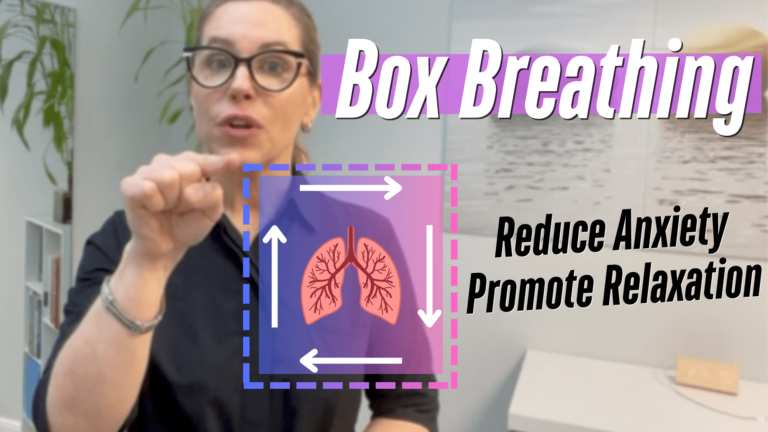
Discover the power of the box breathing technique in this short and simple guide! This easy-to-follow breathing exercise for relaxation and anxiety can help you