
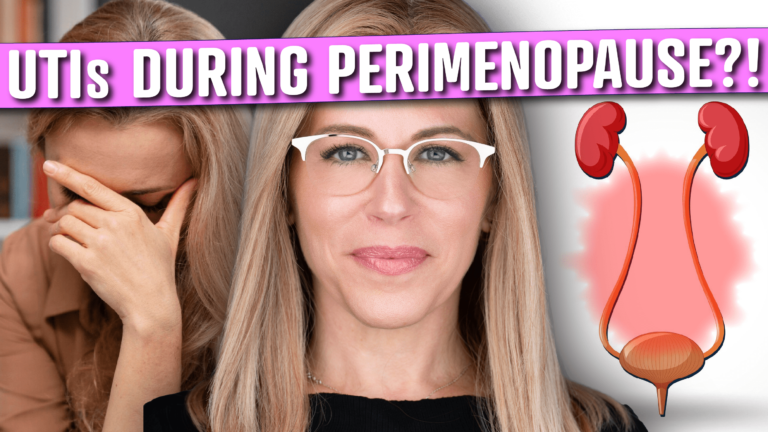
Are you noticing more frequent UTI symptoms during perimenopause, like burning, urgency, frequency, incomplete urination, or discomfort? In this video, Susan Winograd PT, founder and
⭐⭐⭐⭐⭐ Rated 5 Stars by 300 Patients — Read Our Reviews on Google!


Susan Winograd, MSPT, is a licensed physical therapist, pelvic floor specialist, and founder of Pelvicore Rehab & Wellness in Boca Raton, Florida. She earned her Master's degree in Physical Therapy from the College of Staten Island in 1998 and has spent nearly 30 years developing deep clinical expertise in pelvic floor dysfunction, women's and men's pelvic health, pre and postnatal care, chronic pelvic pain, and scar tissue release therapy. Susan takes a whole-body approach to healing — identifying and treating the root cause of her patients' symptoms rather than managing them in isolation. She is a member of the American Physical Therapy Association and has been featured on multiple health and wellness podcasts as a recognized pelvic floor specialist in South Florida.
Is your pelvic floor behind your symptoms?
Pain, pressure, leaking, or discomfort — these are signals your body is sending that something needs attention. Susan has helped hundreds of patients in Boca Raton get to the root cause and heal for good.
If you’ve been told that the best way to strengthen your pelvic floor with kegels for men is to “stop the flow of urine midstream,” it’s time to rethink that advice.
Many men have heard this classic tip—try to halt urination to “find” or “strengthen” your pelvic floor muscles. But this method is outdated and potentially harmful. Let’s break down why, and what you should do instead.
Your pelvic floor muscles are supposed to completely relax while you’re urinating. Forcing yourself to stop midstream can disrupt the normal reflex between your brain and bladder. Over time, this might lead to dysfunctional voiding patterns, urgency, or incomplete emptying.
Urination is meant to be a reflexive, smooth process—not a workout. So don’t use it as a training tool.
If you want to strengthen your pelvic floor muscles (and yes, men have them too!), try this simple but effective cue:
The pelvic floor is part of your deep core system. For men, these muscles play critical roles in:
Weakness or dysfunction can contribute to issues like incontinence, urgency, constipation, pelvic pain, or sexual difficulties.
If you’re experiencing problems with bladder, bowel, or sexual function—or you’re unsure if you’re doing pelvic floor exercises correctly—consider seeing a pelvic floor therapist. They can assess your technique, ensure you’re using the right muscles, and design a program tailored to your needs.
Ditch the outdated advice to stop your urine flow as an exercise. Train smarter—not harder—and prioritize a slow, gentle, and intentional activation.
If you found this helpful, please share it with someone who might benefit. And if you have questions about pelvic floor therapy, feel free to reach out!
00:00 – Introduction: The Male Kegels Myth
00:06 – Why “Stop the Flow” Is Outdated Advice
00:32 – Urination Is a Reflex: Don’t Disrupt It
00:59 – The Gentle Lift Technique Explained
01:30 – Avoid Overworking: Watch Abs and Glutes
01:54 – The Pelvic Floor as Part of the Deep Core System
02:17 – When to See a Pelvic Floor Therapist
02:40 – Final Tips and Call to Subscribe
You don't have to just manage this.
Most pelvic floor conditions are highly treatable — and most patients see meaningful improvement within just a few sessions. Susan offers a free 15-minute discovery call so you can ask questions, understand your options, and take the first step toward feeling better. No commitment required.
Or book online — free, no obligation
Click & Share
Your pelvic floor can heal.
Get a free 15-minute call with Susan to talk through your symptoms.
More Wellness & Rehab Insights
Are you noticing more frequent UTI symptoms during perimenopause, like burning, urgency, frequency, incomplete urination, or discomfort? In this video, Susan Winograd PT, founder and

GLP-1 weight-loss injections can cause unexpected side effects, including pelvic floor dysfunction. While these GLP-1 injections can improve your overall health through weight loss, it’s