Have you been doing crunches, planks, and every core exercise you know — and your mummy tummy still won’t budge? It may not be because you aren’t working hard enough. Susan Winograd, MSPT explains why the real fix is retraining your deep core from the inside out, not hammering the outer abs.
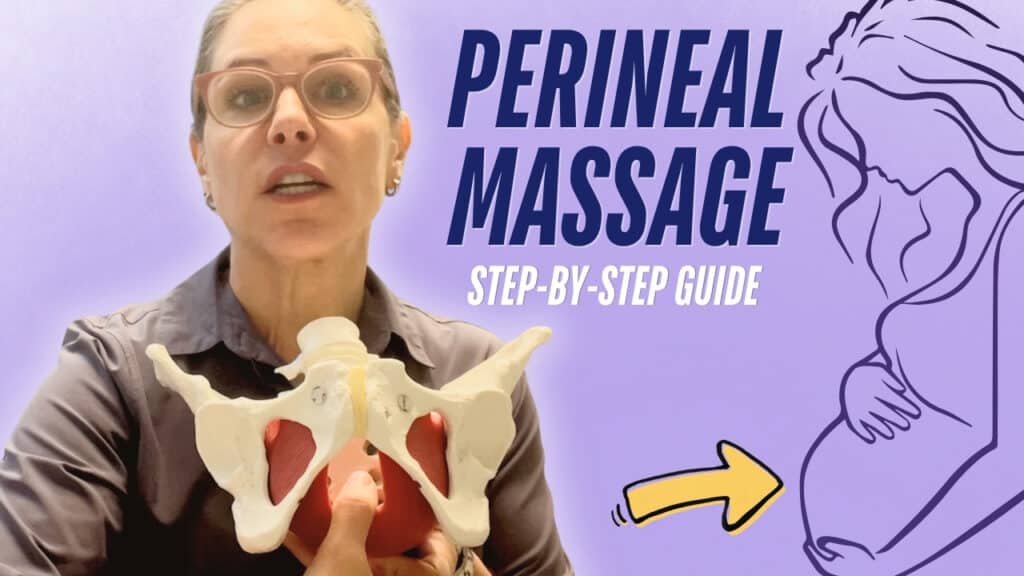
Wondering what you can actually do to prepare for birth? Perineal massage is one of the most valuable tools you can add to your toolbox. Susan Winograd, MSPT walks you through what it is, when to start, and exactly how to do it — step by step — to help prepare your tissues and reduce the risk of tearing.
Have you been told you might benefit from pelvic floor biofeedback — but have no idea what it actually means? Biofeedback acts as a mirror for muscles you can’t see, showing you in real time whether your pelvic floor is contracting, relaxing, or holding tension. Susan Winograd, MSPT explains how it works, who it helps, and why weak muscles aren’t always the problem.
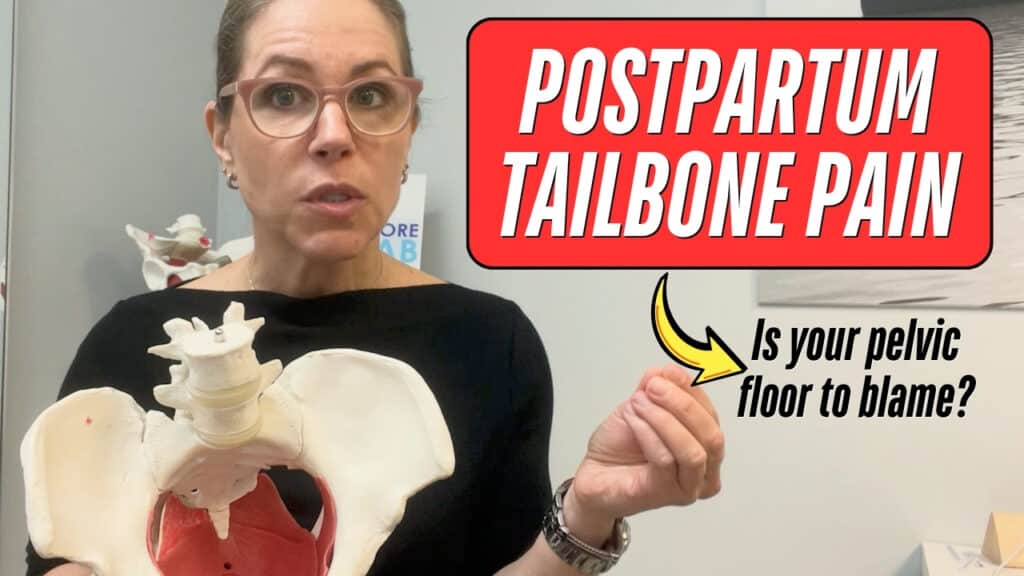
Tailbone pain after having a baby is common — but common does not mean normal. Because your pelvic floor muscles attach directly to the coccyx, tight or guarding muscles can keep pulling on that area long after delivery. Susan Winograd, MSPT explains what’s really behind postpartum tailbone pain and what actually helps.
Up to 80% of pregnant women deal with heartburn by the third trimester — but that doesn’t mean you have to just suffer through it. In this post, Susan Winograd, MSPT, breaks down the real causes of pregnancy heartburn (hormones and mechanics) and shares simple, physical-therapy-backed strategies — from breathing techniques to sleep positioning — to help you find relief.
Discover why “sit up straight” isn’t the key to a healthy pelvic floor. Susan Winograd, MSPT, breaks down the real difference between posture and pelvic floor alignment — and how getting your ribcage and pelvis stacked properly supports better breathing, core strength, and pelvic health.
Are frequent bathroom trips, leaking, or sudden urgency disrupting your daily life? You might be blaming your bladder — but the real culprit could be perimenopause. In this post, Susan Winograd of Pelvicore Pelvic Rehab breaks down the connection between hormonal changes and bladder health, and shares 4 simple tips every woman in midlife needs to know.
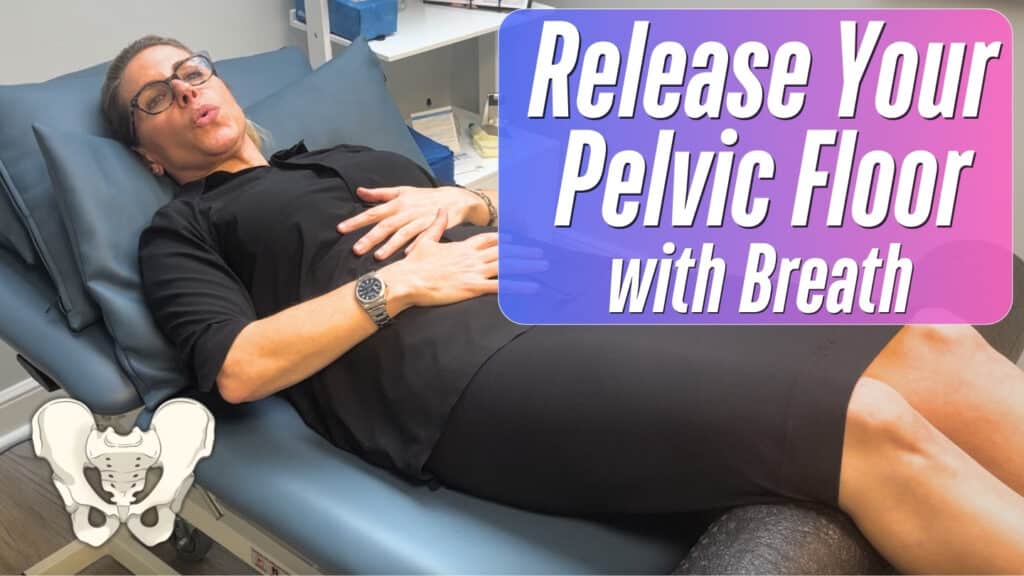
Traditional kegels aren’t always the answer. Susan Winograd discusses how this deep belly reverse kegels breathing technique can aid in pelvic floor release.
Many men are taught to strengthen their pelvic floor by stopping urine flow midstream—but that’s outdated advice. Learn why this can cause problems and discover safer, smarter ways to do male Kegels for better bladder, bowel, and sexual health.
Most men overlook the pelvic floor — but it’s key to better erections, ejaculation, and confidence in the bedroom. In a powerful new video, pelvic health expert Susan Winograd, PT, shares why pelvic floor health matters and what you really need to know (hint: it’s not all about Kegels).
Manage Consent
To provide the best experiences, we use technologies like cookies to store and/or access device information. Consenting to these technologies will allow us to process data such as browsing behavior or unique IDs on this site. Not consenting or withdrawing consent, may adversely affect certain features and functions.
Functional
Always active
The technical storage or access is strictly necessary for the legitimate purpose of enabling the use of a specific service explicitly requested by the subscriber or user, or for the sole purpose of carrying out the transmission of a communication over an electronic communications network.
Preferences
The technical storage or access is necessary for the legitimate purpose of storing preferences that are not requested by the subscriber or user.
Statistics
The technical storage or access that is used exclusively for statistical purposes.The technical storage or access that is used exclusively for anonymous statistical purposes. Without a subpoena, voluntary compliance on the part of your Internet Service Provider, or additional records from a third party, information stored or retrieved for this purpose alone cannot usually be used to identify you.
Marketing
The technical storage or access is required to create user profiles to send advertising, or to track the user on a website or across several websites for similar marketing purposes.