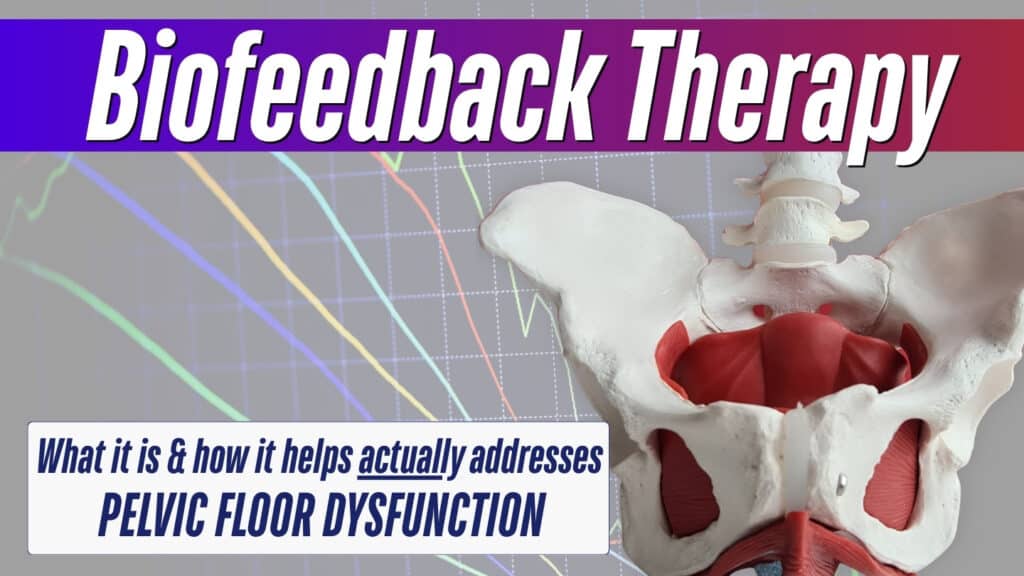
Have you been told you might benefit from pelvic floor biofeedback — but have no idea what it actually means? Biofeedback acts as a mirror for muscles you can’t see, showing you in real time whether your pelvic floor is contracting, relaxing, or holding tension. Susan Winograd, MSPT explains how it works, who it helps, and why weak muscles aren’t always the problem.
Up to 80% of pregnant women deal with heartburn by the third trimester — but that doesn’t mean you have to just suffer through it. In this post, Susan Winograd, MSPT, breaks down the real causes of pregnancy heartburn (hormones and mechanics) and shares simple, physical-therapy-backed strategies — from breathing techniques to sleep positioning — to help you find relief.
Discover why “sit up straight” isn’t the key to a healthy pelvic floor. Susan Winograd, MSPT, breaks down the real difference between posture and pelvic floor alignment — and how getting your ribcage and pelvis stacked properly supports better breathing, core strength, and pelvic health.
Pelvic pain can be hard to diagnose, especially when the pain isn’t musculoskeletal. In this video, Susan Winograd PT breaks down 3 common symptoms that could be causing discomfort.
Activating your core, especially as you grow older or enter menopause, offers a ton of benefits, such as aiding in injury prevention. But what happens when activating your core is painful, and not in the way you expect?
GLP-1 weight-loss injections can cause unexpected side effects, including pelvic floor dysfunction. While these GLP-1 injections can improve your overall health through weight loss, it’s important to maintain your body awareness, especially your pelvic health awareness, while you’re taking these injections.
Know the top 3 signs you should look out for if you suspect you are experiencing pelvic floor dysfunction. If you have any of these signs, please know that these symptoms are not normal but are treatable.
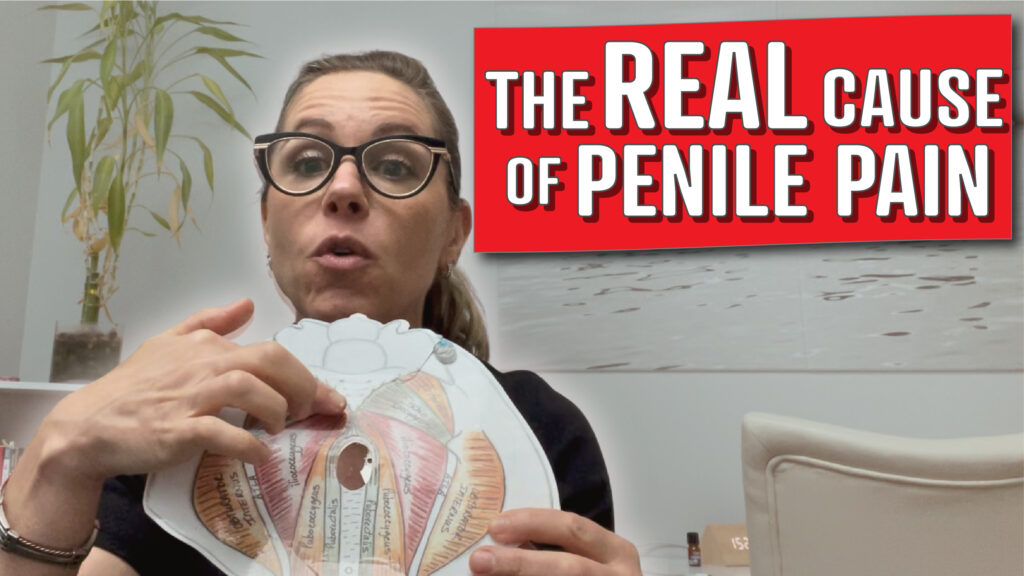
The cause of penile pain can be tough to pin down, but there are many ways pelvic floor physical therapists can help, even if your urology tests are coming back normal.
Are you experiencing leaking when you laugh, constipation, pelvic pressure, or unexplained pain? These may be signs that something is going on with your pelvic floor.
Learn 5 essential tips to heal abdominal separation (diastasis recti). Discover how alignment, pelvic floor health, and safe core exercises can restore strength and function after pregnancy or injury.
Manage Consent
To provide the best experiences, we use technologies like cookies to store and/or access device information. Consenting to these technologies will allow us to process data such as browsing behavior or unique IDs on this site. Not consenting or withdrawing consent, may adversely affect certain features and functions.
Functional
Always active
The technical storage or access is strictly necessary for the legitimate purpose of enabling the use of a specific service explicitly requested by the subscriber or user, or for the sole purpose of carrying out the transmission of a communication over an electronic communications network.
Preferences
The technical storage or access is necessary for the legitimate purpose of storing preferences that are not requested by the subscriber or user.
Statistics
The technical storage or access that is used exclusively for statistical purposes.The technical storage or access that is used exclusively for anonymous statistical purposes. Without a subpoena, voluntary compliance on the part of your Internet Service Provider, or additional records from a third party, information stored or retrieved for this purpose alone cannot usually be used to identify you.
Marketing
The technical storage or access is required to create user profiles to send advertising, or to track the user on a website or across several websites for similar marketing purposes.