

Brain fog is one of the most disorienting symptoms of perimenopause — and one of the least talked about. If your thinking feels slower, your
⭐⭐⭐⭐⭐ Rated 5 Stars by Over 290 Patients — Read Our Reviews on Google!

Susan Winograd, MSPT, is a licensed physical therapist, pelvic floor specialist, and founder of Pelvicore Rehab & Wellness in Boca Raton, Florida. She earned her Master's degree in Physical Therapy from the College of Staten Island in 1998 and has spent nearly 30 years developing deep clinical expertise in pelvic floor dysfunction, women's and men's pelvic health, pre and postnatal care, chronic pelvic pain, and scar tissue release therapy. Susan takes a whole-body approach to healing — identifying and treating the root cause of her patients' symptoms rather than managing them in isolation. She is a member of the American Physical Therapy Association and has been featured on multiple health and wellness podcasts as a recognized pelvic floor specialist in South Florida.
You shouldn't have to plan your day around a bathroom.
Urgency, frequency, leaking, and incomplete emptying are among the most treatable conditions we see. Most patients experience significant improvement within just a few sessions — without medication or surgery.
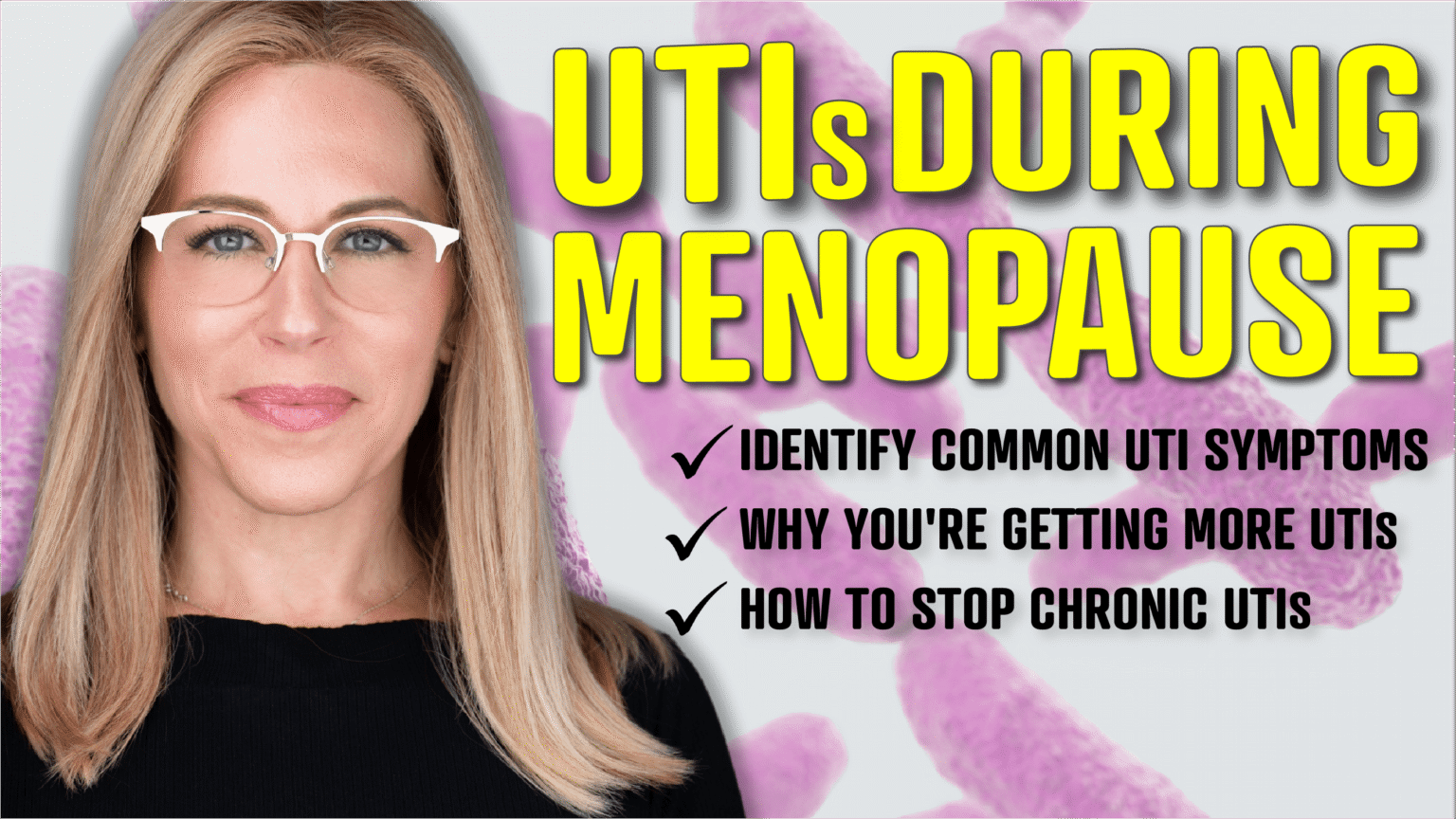
Urinary tract infections (UTIs) during menopause are a common and often frustrating experience for many women. If you’re noticing more frequent urges to urinate, increased urgency, leaking, or recurrent UTIs in midlife, you’re not alone, and importantly, there are effective solutions available.
Menopause is a natural biological transition that brings many hormonal changes. One of the most significant shifts is a decline in estrogen levels. What many women don’t realize is that estrogen plays a vital role in supporting the health of the urinary tract, including the urethra and surrounding pelvic tissues.
These tissues are estrogen sensitive. When estrogen drops during perimenopause and menopause, the tissues can become thinner, drier, and more fragile. This makes the urinary tract more vulnerable to irritation, infection, and dysfunction, leading to symptoms like urinary urgency, frequency, incomplete voiding, and more frequent UTIs.
The good news is that research shows a simple, localized treatment can make a big difference. Using a vaginal estrogen cream has been shown to reduce the incidence of UTIs during menopause by up to 70 percent.
Unlike systemic hormone replacement therapy, local estrogen is applied directly to the vaginal or urethral area. This targets the tissues most affected without significantly impacting the rest of the body’s hormonal balance. It helps rehydrate, strengthen, and rebuild the tissue, making the urinary tract more resilient to infection.
For most women, local estrogen therapy is considered very safe. Because it is not absorbed systemically in large amounts, it carries a much lower risk profile than systemic hormone therapy. It is often used under the supervision of a healthcare provider and can be tailored to your individual needs.
Always consult your doctor before beginning any hormone treatment. They can help you determine whether vaginal estrogen is right for you and provide guidance on proper usage and monitoring.
One of the most important steps you can take is to stay informed. Ongoing research is emerging every year about hormone therapy, vaginal health, and UTIs during menopause. By educating yourself, you can better advocate for your own health and work with your doctor to find sustainable solutions.
Here are some action steps to consider:
Feeling frustrated or embarrassed about urinary symptoms is completely normal, but know this, you are not alone, and there is help. Millions of women face similar issues during menopause, and many find lasting relief with the right treatment.
If you’re dealing with UTIs during menopause, don’t suffer in silence. Simple changes, like adding a vaginal estrogen cream, can significantly improve your quality of life.
00:00 – Introduction: You’re Not Alone
00:05 – Common Urinary Symptoms in Menopause
00:34 – Why These Symptoms Happen (Estrogen & Pelvic Health)
01:13 – How Estrogen Cream Helps
01:20 – Is Estrogen Cream Safe?
01:49 – Advocate for Your Health with Research
02:00 – Final Thoughts & How to Learn More
Bladder control is something you can get back.
Whether you're dealing with leaking when you laugh, urgent rushing to the bathroom, or waking up multiple times at night — these are fixable problems. Susan has helped hundreds of patients in Boca Raton regain confidence and control. Your first call is free.
Or book online — free, no obligation
Click & Share

Take back control.
Free 15-minute call with Susan to talk through your bladder symptoms.
More Wellness & Rehab Insights
Brain fog is one of the most disorienting symptoms of perimenopause — and one of the least talked about. If your thinking feels slower, your

Learn the truth about Kegel exercises for men! Discover the common mistake of stopping urine midstream and how to properly engage your pelvic floor for