⭐⭐⭐⭐⭐ Rated 5 Stars by Over 280 Patients — Read Our Reviews on Google!

Post Contents

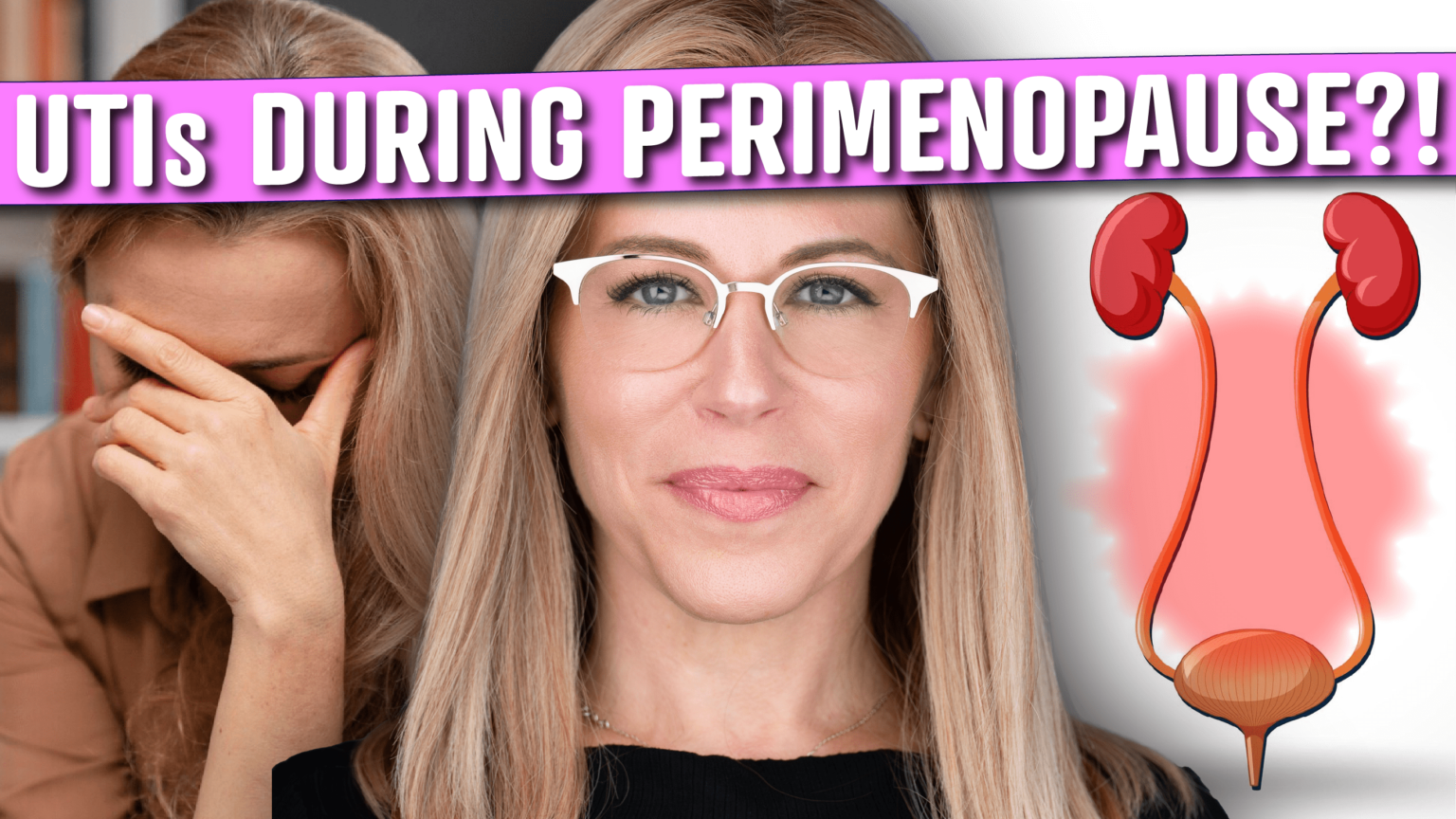
Video: UTI Symptoms During Perimenopause – Why and How to Treat It!

Are you noticing more frequent UTI symptoms during perimenopause, like burning, urgency, frequency, incomplete urination, or discomfort? In this video, Susan Winograd PT, founder and owner of Pelvicore Rehab & Wellness, explains why UTI symptoms are emerging during perimenopause and what you can do about it!
Picture of About Susan Winograd, MSPT

About Susan Winograd, MSPT

Susan Winograd, MSPT, is a licensed physical therapist, pelvic floor specialist, and founder of Pelvicore Rehab & Wellness in Boca Raton, Florida. She earned her Master's degree in Physical Therapy from the College of Staten Island in 1998 and has spent nearly 30 years developing deep clinical expertise in pelvic floor dysfunction, women's and men's pelvic health, pre and postnatal care, chronic pelvic pain, and scar tissue release therapy. Susan takes a whole-body approach to healing — identifying and treating the root cause of her patients' symptoms rather than managing them in isolation. She is a member of the American Physical Therapy Association and has been featured on multiple health and wellness podcasts as a recognized pelvic floor specialist in South Florida.

Do these symptoms sound familiar?

Brain fog, fatigue, and mood changes during perimenopause and menopause are real — and treatable. Susan has helped hundreds of women in Boca Raton feel like themselves again.

If you’re in perimenopause and you keep getting UTI symptoms — burning, urgency, the constant feeling that you need to go — but your urine culture comes back negative, you’re not imagining it. Declining estrogen during perimenopause causes the tissues of the urethra to thin and lose support, making them far more vulnerable to irritation and inflammation that mimics a UTI without actually being one. In this video Susan Winograd, MSPT, explains exactly what’s happening and what you can do about it.

The tissues of your urethra are highly dependent on estrogen. During perimenopause, as estrogen levels decline, these tissues become thinner and less supported. This makes your urethra more vulnerable to irritation, inflammation, and UTI-like symptoms—even without an actual infection.

But here’s the good news: You don’t have to suffer! There are effective ways to address this.

1. Consider topical estrogen prescribed by your provider to restore tissue health and support.
2. Stay hydrated and avoid bladder irritants like caffeine or spicy foods.”
3. Work on pelvic floor health with a therapist to improve urethral support and reduce irritation.

Taking these steps can make a huge difference in your comfort and bladder health. If you’re experiencing these symptoms, reach out to your provider or a pelvic floor therapist for help.

If UTI-like symptoms are part of a broader picture of perimenopause symptoms — including bladder leaking, pelvic pain, painful sex, or brain fog — our Perimenopause & Menopause Treatment program addresses the full hormonal and pelvic floor picture together. Kelley Maple, APRN, leads comprehensive hormone testing and topical estrogen management alongside Susan’s pelvic floor PT.

TIMESTAMPS
0:00 Are you noticing UTI symptoms during perimenopause?
0:28 Perimenopause leads to a decline in estrogen
0:58 Talk to your provider about topical estrogen
1:24 Make sure you’re hydrated
1:36 Stay away from caffeine, carbonated drinks, alcohol
1:54 Find a good pelvic floor physical therapist

You're not crazy — and you don't have to just push through.

Susan Winograd PT has nearly 30 years of experience treating exactly these symptoms. Her Boca Raton practice offers a free 15-minute discovery call so you can ask questions and find out if pelvic floor therapy is right for you — no commitment required.

Or book online — free, no obligation

Click & Share

Post Contents

Ready to feel like yourself again?

Get a free 15-minute call with Susan to talk through your symptoms.

More Wellness & Rehab Insights