Many men are taught to strengthen their pelvic floor by stopping urine flow midstream—but that’s outdated advice. Learn why this can cause problems and discover safer, smarter ways to do male Kegels for better bladder, bowel, and sexual health.
Think you have prostatitis but tests show no infection? You might be dealing with chronic pelvic floor dysfunction. Up to 90% of cases are non-bacterial—and antibiotics won’t help. Learn how pelvic floor therapy can address the real root cause of your pelvic pain, urgency, and discomfort.
Learn the truth about Kegel exercises for men! Discover the common mistake of stopping urine midstream and how to properly engage your pelvic floor for better bladder control and health.
Pelvic floor dysfunction in men is common and shouldn’t be ignored. In this video, Susan breaks down the key symptoms of male pelvic floor dysfunction, including bladder, bowel, pelvic pain, and sexual issues.
Discover the 4 common symptoms of pelvic floor dysfunction that you shouldn’t overlook! In this video, Susan Winograd PT, founder and owner of Pelvicore Rehab and Wellness, breaks down the “4 Ps” – peeing, pooping, pressure, and pain – and explains how symptoms related to the 4 Ps might signal a problem with your pelvic floor.
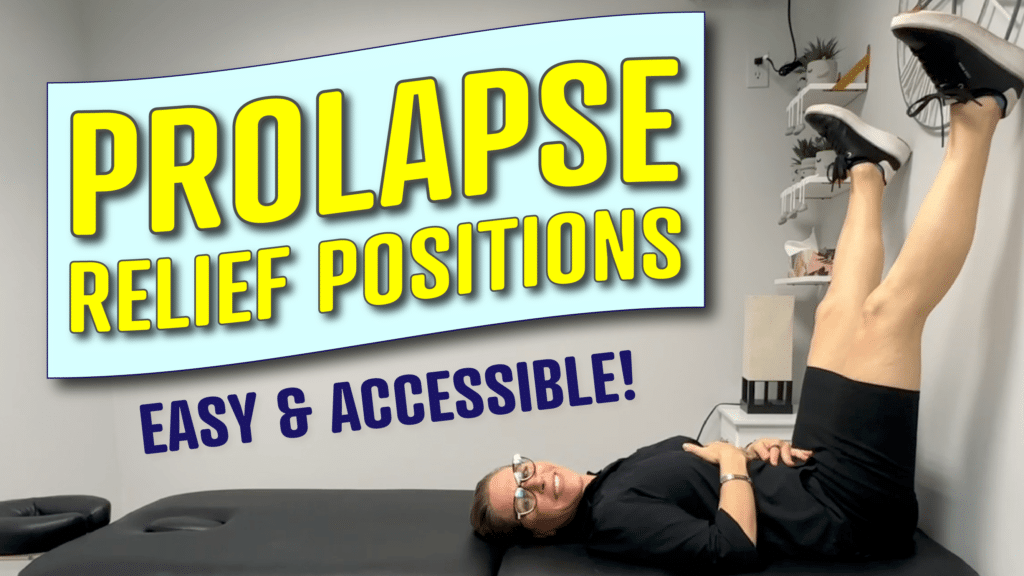
Susan Winograd PT, founder and owner of Pelvicore Rehab and Wellness, demonstrates 3 relief positions to achieve instant pelvic floor relief for those suffering from pelvic organ prolapse. If you are experiencing any pelvic floor discomfort due to prolapse, try these three easy and accessible positions to see if they help alleviate your symptoms!
Megan Perez earned a Masters Degree in Nutrition in 2013. She has continued her education by completing courses in integrative and functional nutrition, mindful eating, digestive disorders, eating disorders and intuitive eating, and also hormone health.
Pelvic floor muscle strengthening exercises are most commonly referred to as Kegels. The purpose of “Regular” Kegel exercises is to strengthen pelvic floor muscle that are weak. This would likely help people that have weak pelvic floor muscles, pelvic organ prolapse, urinary incontinence, fecal incontinence and/or the inability to hold back gas.
The coccyx, more commonly known as the tailbone is a triangular shaped bone at the end of the spine. It actually represents a vestigial tail that disappears at around 8 weeks of gestation, hence the name tailbone. There is variance between individuals in coccyx anatomy and can consist of 3 to 5 different bones connected by ligaments at the bottom of the sacrum.
Susan Winograd MSPT explains the connection between endometriosis and pelvic floor dysfunction — including why up to 70% of women with endo have pelvic floor involvement, how the inflammation cycle drives overlapping conditions, and why pelvic floor physical therapy should be the first line of conservative treatment regardless of surgical status.
Manage Consent
To provide the best experiences, we use technologies like cookies to store and/or access device information. Consenting to these technologies will allow us to process data such as browsing behavior or unique IDs on this site. Not consenting or withdrawing consent, may adversely affect certain features and functions.
Functional
Always active
The technical storage or access is strictly necessary for the legitimate purpose of enabling the use of a specific service explicitly requested by the subscriber or user, or for the sole purpose of carrying out the transmission of a communication over an electronic communications network.
Preferences
The technical storage or access is necessary for the legitimate purpose of storing preferences that are not requested by the subscriber or user.
Statistics
The technical storage or access that is used exclusively for statistical purposes.The technical storage or access that is used exclusively for anonymous statistical purposes. Without a subpoena, voluntary compliance on the part of your Internet Service Provider, or additional records from a third party, information stored or retrieved for this purpose alone cannot usually be used to identify you.
Marketing
The technical storage or access is required to create user profiles to send advertising, or to track the user on a website or across several websites for similar marketing purposes.