

Are frequent bathroom trips, leaking, or sudden urgency disrupting your daily life? You might be blaming your bladder — but the real culprit could be
⭐⭐⭐⭐⭐ Rated 5 Stars by 300 Patients — Read Our Reviews on Google!
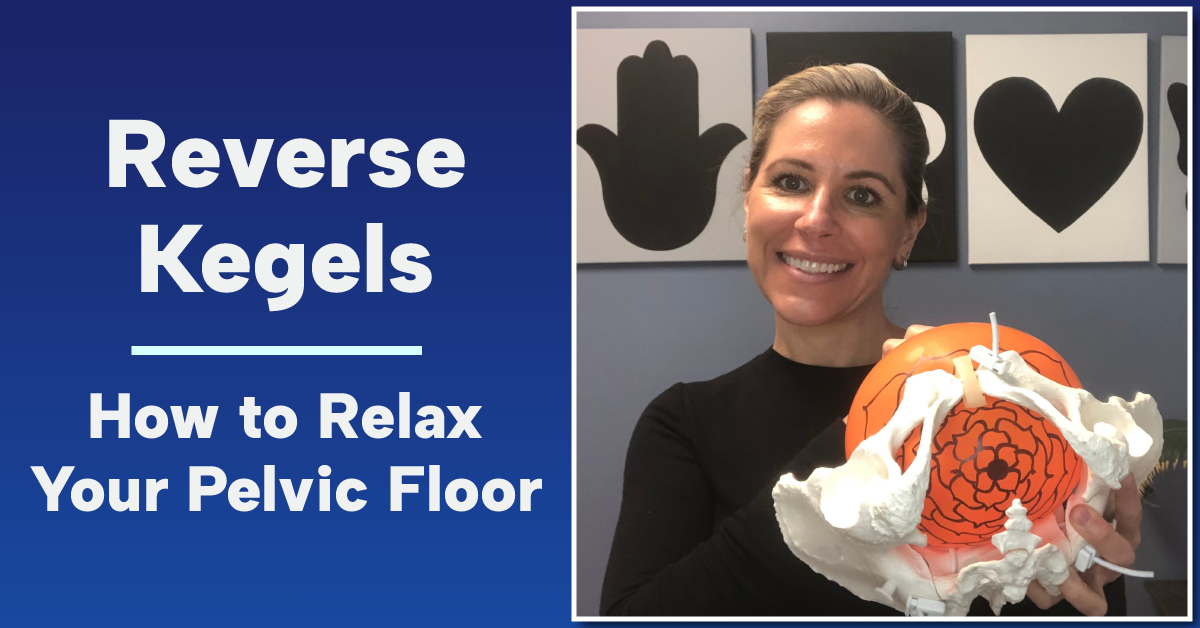

Susan Winograd, MSPT, is a licensed physical therapist, pelvic floor specialist, and founder of Pelvicore Rehab & Wellness in Boca Raton, Florida. She earned her Master's degree in Physical Therapy from the College of Staten Island in 1998 and has spent nearly 30 years developing deep clinical expertise in pelvic floor dysfunction, women's and men's pelvic health, pre and postnatal care, chronic pelvic pain, and scar tissue release therapy. Susan takes a whole-body approach to healing — identifying and treating the root cause of her patients' symptoms rather than managing them in isolation. She is a member of the American Physical Therapy Association and has been featured on multiple health and wellness podcasts as a recognized pelvic floor specialist in South Florida.
Your breath is the key to your pelvic floor.
Chronic tension, shallow breathing, and stress directly affect how your pelvic floor functions. At Pelvicore we treat the whole system — not just the part that hurts. A free 15-minute call is where it starts.
Reverse Kegel exercises are the opposite of traditional Kegel exercises — instead of contracting and strengthening the pelvic floor, they focus on releasing and lengthening these muscles. While regular Kegels are beneficial for people with a weak pelvic floor, urinary incontinence, or pelvic organ prolapse, they’re not the right exercise for everyone. For those with a tight or overactive pelvic floor, doing more Kegels can actually make symptoms worse. That’s where reverse Kegels come in.
Reverse kegels are simple to learn but require body awareness and practice. Follow these steps:
It can be challenging to connect with a group of muscles that we can’t see from the outside of the body. However, if our brain has a picture or a feeling to connect with it can help to perform the correct movement more easily and more effectively. For example, imagine the feeling you have as you are releasing a bowel movement or starting the flow of urine. This is the feeling of the pelvic floor relaxing and “letting go.”
Tip: If you’re unsure whether you’re doing it correctly, place one hand on your lower belly. You should feel a subtle softening or expansion with each reverse kegel.
Reverse kegels are especially helpful for people with a hypertonic (too tight) pelvic floor. You may benefit if you experience:
Note: If you have a weak or hypotonic pelvic floor, traditional kegels may be more appropriate. A pelvic floor physical therapist can assess which exercises are right for you.
Many people have heard of kegels — exercises that strengthen the pelvic floor by contracting the muscles. Reverse kegels do the opposite: they train the pelvic floor to relax and lengthen.
Both types of exercises are important for a healthy, functional pelvic floor. Think of it like any other muscle group — you need both strength and flexibility. Doing only one type can create an imbalance.
Start with 10 repetitions, 2-3 times per day. As you become more comfortable with the movement, you can increase to 3 sets of 15. Many people notice improvement in pelvic tension and pain within 4-6 weeks of consistent practice.
While reverse kegels can be done at home, working with a trained pelvic floor physical therapist ensures you’re performing them correctly and addressing the root cause of your symptoms. At Pelvicore Rehab & Wellness in Boca Raton, our therapists use hands-on assessment to create a personalized treatment plan tailored to your pelvic floor needs.
If you’re experiencing pelvic pain, discomfort during intimacy, or bladder issues, book a free consultation with our Boca Raton pelvic floor specialists today.
Tension lives in the body — and we can help release it.
If you're dealing with chronic pelvic pain, tightness, or symptoms that seem to worsen with stress, your nervous system and pelvic floor may be working against each other. Susan takes a whole-body approach to help you find lasting relief. Your first call is free.
Or book online — free, no obligation
Click & Share

Relief starts with one conversation.
Free 15-minute call with Susan to talk through what you're experiencing.
More Wellness & Rehab Insights
Are frequent bathroom trips, leaking, or sudden urgency disrupting your daily life? You might be blaming your bladder — but the real culprit could be

Tired of frequent urination throughout the night? In this video, Susan Winograd PT talks about how the bladder may not cause your Nocturia, or urge